
Some months ago, I performed a web application penetration test on an application that used passkey for authentication. As part of the assessment, I also tested the passkey implementation and noticed some unusual behavior. During the debugging process, I created two short JavaScript helper functions that can be used to hook the browser APIs involved in passkey operations, allowing the passkey configuration to be inspected and manipulated. This gave me the ability to reliably perform some passkey tests and assess the configuration and implementation.
Compass Security Blog
Offensive Defense
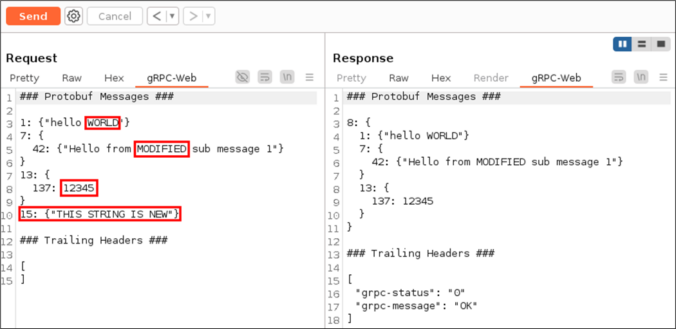
The gRPC framework, and by extension gRPC-Web, is based on a binary data serialization format. This poses a challenge for penetration testers when intercepting browser to server communication with tools such as Burp Suite.
This project was initially started after we unexpectedly encountered gRPC-Web during a penetration test a few years ago. It is important to have adequate tooling available when this technology appears. Today, we are releasing our Burp Suite extension bRPC-Web in the hope that it will prove useful to others during their assessments.
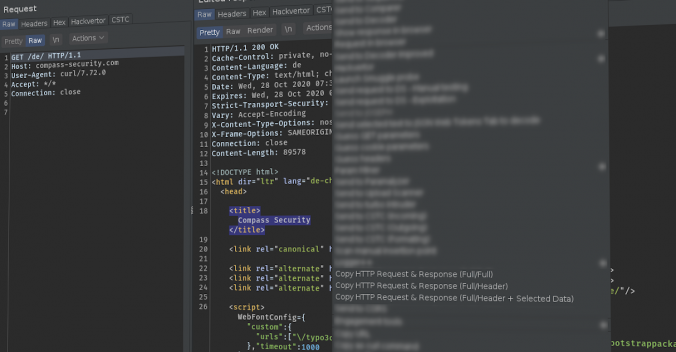
Writing good reports is key in penetration tests / security assessments, since this is the final result delivered to the customer. Vulnerabilities should be described in a way so that the customer can understand and also reproduce the issue. For web application pentests, the best way is often to show the HTTP requests and responses to explain an issue. This Burp Suite extension “Copy Request & Response” can assist you while the report.
© 2026 Compass Security Blog